
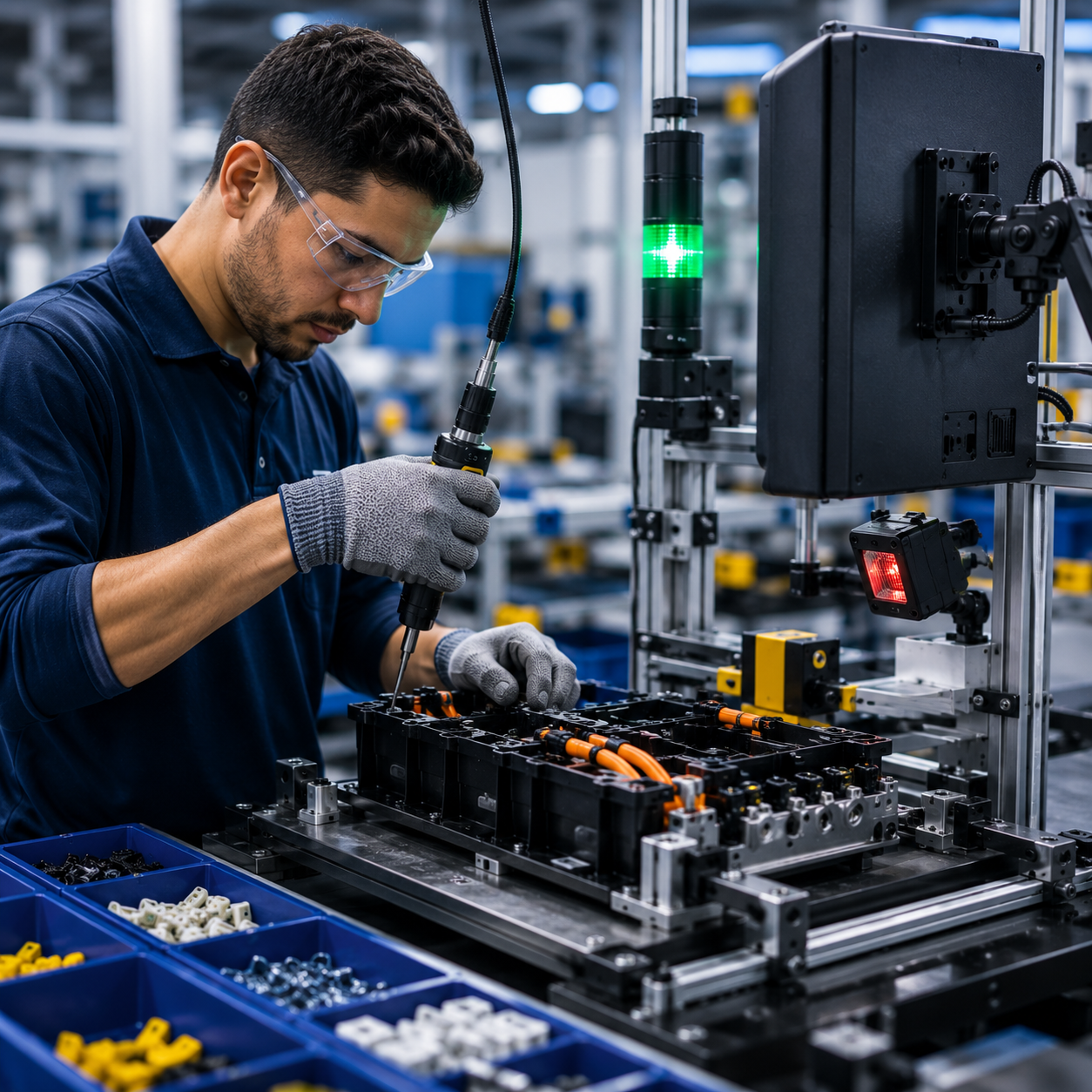
Prevent Errors, Decrease Costs
Build Quality Into Every Product – Before Defects Occur
Every assembly error has a cost.
Sometimes it’s a few minutes of rework. Sometimes it’s scrap, warranty claims, production delays, or even a product recall.
For over 40 years, Matrix Automation has helped assembly manufacturers prevent errors before they become defects. Our error-proofing solutions combine digital work instructions, process validation, operator guidance, traceability, in-line testing, and real-time verification to ensure products are assembled correctly the first time.
With Matrix, every critical process can be:
- Guided
- Verified
- Validated
- Recorded
The result is higher quality, lower costs, and greater confidence in every product that leaves your facility.
Build Every Product Right the First Time

Reduce rework, scrap & warranty costs
What is Error-Proofing?
Error-proofing – also known as mistake-proofing or poka-yoke – is the practice of designing manufacturing processes that prevent mistakes from occurring or immediately detect them before they create defects.
Rather than relying solely on operator experience or manual inspections, modern error-proofing uses digital technologies to guide, verify, and validate every critical manufacturing step.
Effective error-proofing helps manufacturers:
- Prevent assembly errors before they occur
- Verify every critical process
- Improve first-time quality
- Reduce rework and scrap
- Increase consistency across operators and shifts
- Capture complete production data for traceability and continuous improvement
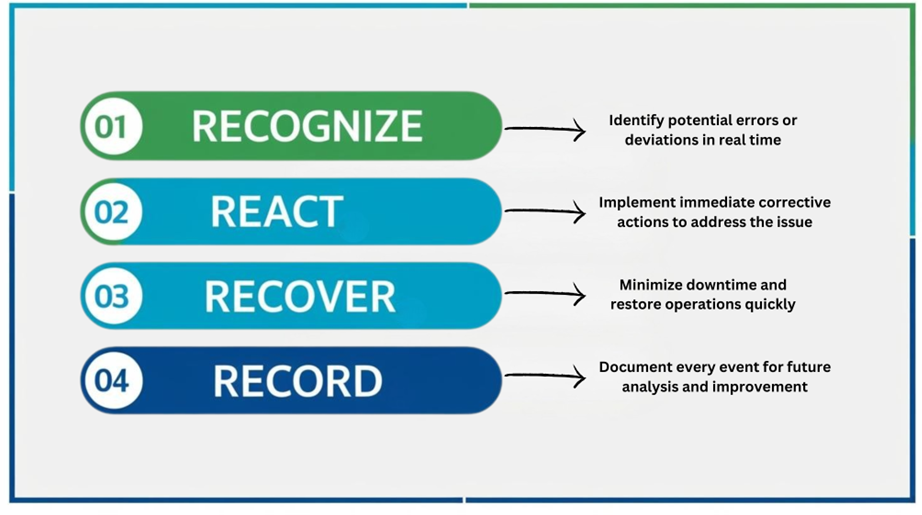
Matrix Automation's Error-Proofing Methodology
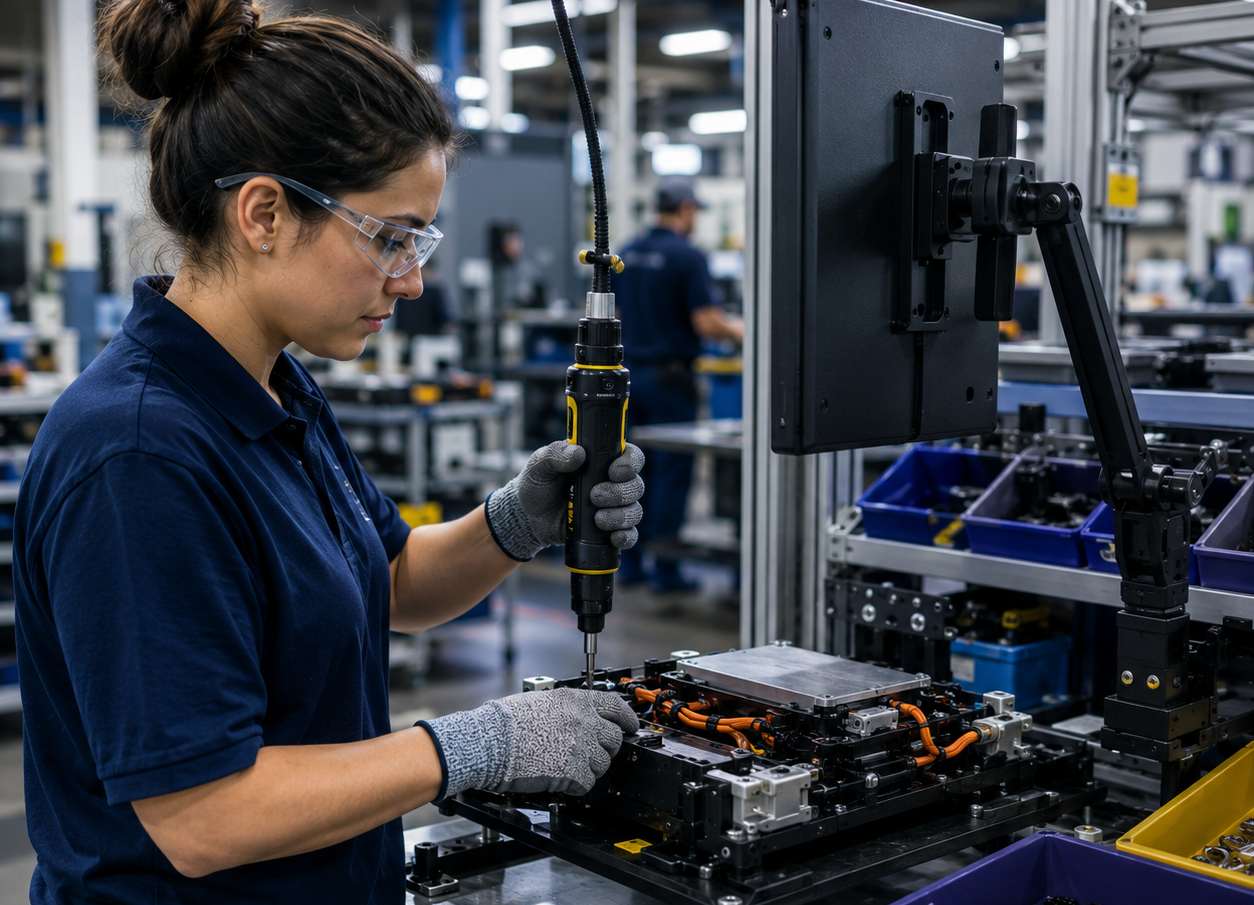
Proven Results in Complex Assembly
How to Error-Proof Assembly
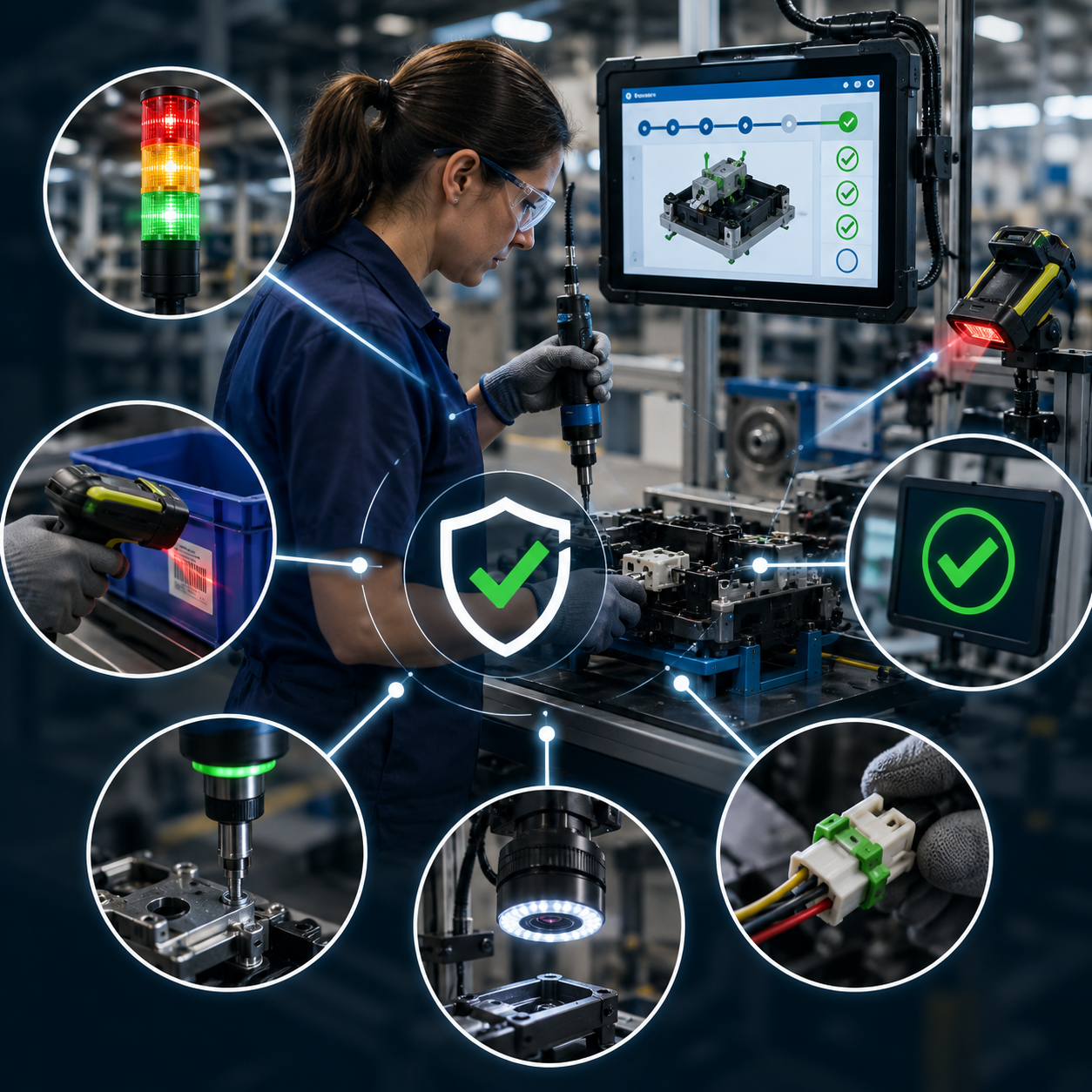
Our solutions can help ensure every operator performs every process correctly while automatically validating critical production requirements. Components of error-proofing can include:
Digital Work Instructions: Guide operators through standardized work with step-by-step digital instructions.
Parts Verification: Ensure the correct components are selected and installed.
Barcode & Scanner Validation: Verify parts, serial numbers, lots, and build requirements before assembly continues.
Torque Tool Integration: Confirm every fastener is tightened to the correct specification.
Vision System Integration: Automatically verify assembly accuracy using connected vision technologies.
Bin & Pick Verification: Validate that operators retrieve the correct parts from the correct locations.
Process Interlocks: Prevent production from advancing until required steps are successfully completed.
Quality Gate Audits: Digitally verify inspections throughout the manufacturing process.
Defect Capture & Traceability: Record defects, corrective actions, and production history for continuous improvement.